
What Sunlight Conditions Do Solar Security Cameras Actually Need?
Sunlight determines how well a solar camera charges, stores energy, and maintains steady monitoring. Many people assume these devices require perfect weather, but their needs are far more practical. A camera only needs consistent access to usable light to keep operating across seasons. This makes placement, daily exposure, and energy design more important than cloud-free skies. For the eufy, it handles different lighting conditions with balance, offering dependable performance without demanding constant oversight. By understanding how light interacts with the system, you can choose locations and habits that support long-term reliability.
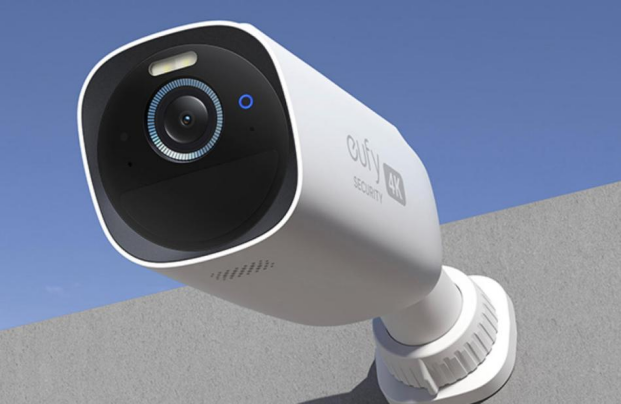
How Sunlight Quality Shapes Daily Charging?
Direct Sunlight and Its Role in Power Generation
Direct sunlight provides the strongest energy source for a solar camera. When the panel receives unfiltered daylight for part of the day, it generates enough power to support motion events, recordings, and nighttime operation. This does not require full-day exposure. Even a few focused hours can maintain a charge if the camera manages power well. And that eufy performs efficiently under direct light because it uses the available sunlight effectively rather than demanding perfect conditions. With suitable placement, the panel converts concentrated light into steady daily energy.
Partial Shade and How Cameras Handle It
Midday shadows or nearby trees often create partial shade, but that does not prevent charging. The panel can still draw energy from indirect light, though at a slower pace. What matters most is cumulative exposure across the day. If the camera receives mixed light and shade but still collects several usable hours of illumination, it can maintain charge without issue. Also, the eufy continues running even when their yards have patchy shade. This flexibility makes installation easier because the device does not require a completely open space to function reliably.
Diffused Light on Cloudy Days
Cloud cover softens sunlight, but panels still absorb energy through diffused light. While cloudy days produce less power than bright ones, they rarely stop the charging process entirely. A well-designed system compensates by storing extra energy during brighter intervals and using it gradually. This approach keeps the camera active even through extended cloudy periods. If you know more about the eufy, you will find that it maintains stability by managing stored energy carefully on days when the sky stays overcast. Diffused light becomes a steady contributor that supports long-term operation.
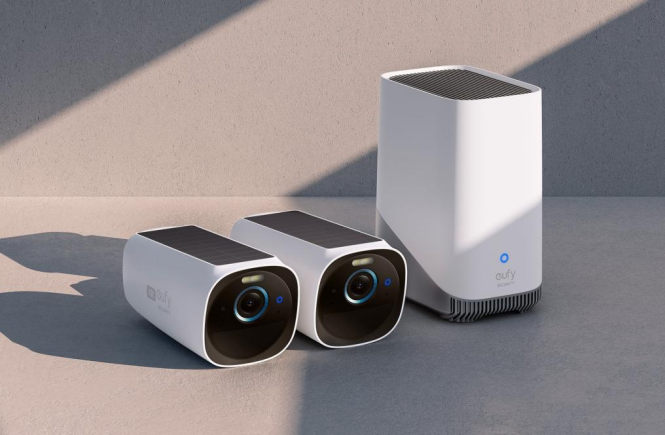
How Does Installation and Environment Affect Sunlight Performance?
Angle and Orientation That Maximize Exposure
The angle of the solar panel influences how much sunlight it absorbs. When homeowners adjust the panel to face the sun’s general path, they improve charging efficiency. This adjustment does not need extreme precision. A balanced tilt and south-facing orientation in many regions capture consistent light. Small positioning changes often lead to noticeable performance improvements. The eufy highlights how easy it is to optimize placement because the system responds well to thoughtful positioning. When the panel’s angle matches the local sunlight direction, it charges with greater consistency.
Seasonal Shifts in the Sun’s Path
Each season changes the sun’s height and angle. These shifts affect how shadows fall across yards and roofs. A location that works well in summer may gather less light in winter if a neighboring structure casts a longer shadow. Understanding this pattern helps you select a spot that performs well all year. The goal is not perfection but predictability. And that eufy continues running smoothly when they choose positions with year-round visibility rather than seasonal hotspots. The more consistent the exposure, the better the camera supports daily monitoring.
Environmental Obstructions That Limit Light
Buildings, fences, and vegetation can reduce light exposure. Identifying these obstacles helps you plan a smarter installation. A small relocation of the panel often eliminates most shading issues. Even shifting the angle slightly or raising the mounting height can restore strong sunlight access. Homeowners value systems that remain stable once installed, and you can find that eufy maintains reliable charging when placed just beyond major obstructions. Clear surroundings help the panel collect uninterrupted light, supporting the camera’s continuous operation across varying weather conditions.
Conclusion
Sunlight requirements for solar cameras revolve around consistent exposure rather than flawless conditions. Direct light supplies strong daily power, while partial shade and diffused light still support charging when the system stores and manages energy effectively. Orientation and environmental awareness help maximize sunlight, especially as the sun’s path changes with the seasons. For the eufy, it works well under real-world conditions and does not depend on perfect placement to stay functional. When you understand how light interacts with the system, you can position a solar powered security camera in a way that keeps it active throughout the year with dependable performance.
